Transit Center

Transit Center

Transit Center

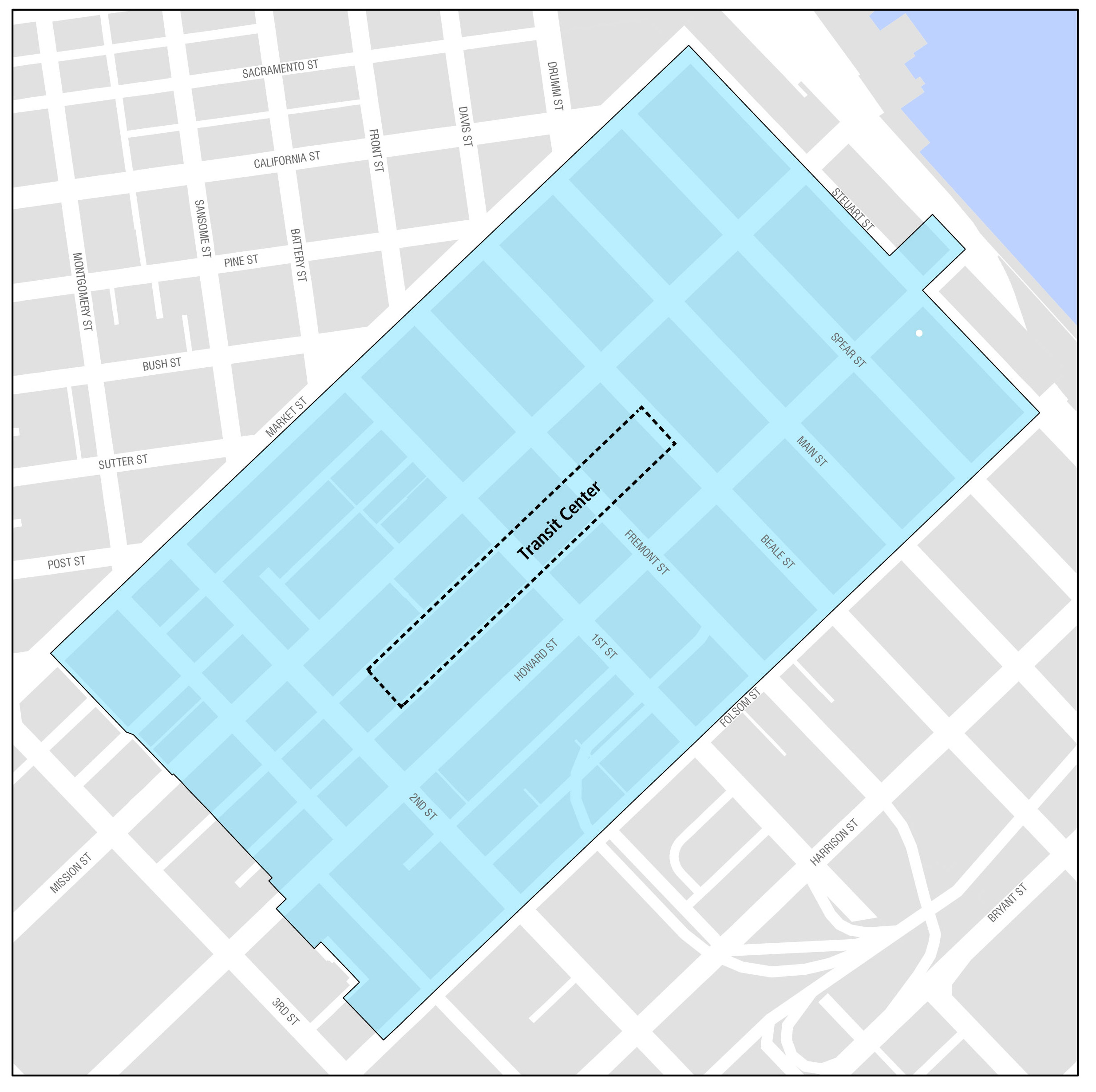
The Transit Center District Plan was adopted in 2012 to provide infrastructure improvements in conjunction with the opening of the Salesforce Transit Center. The Salesforce Transit Center is a $2.6 billion transportation hub to replace the old Transbay Terminal and will connect 11 regional transportation providers to downtown San Francisco. In addition to passengers arriving at the Transit Center, the Plan also includes several commercial developments.

The complete streets, transportation, and open space projects are designed to accommodate all of the new people that will arrive in the area each day. The Plan includes those projects to be implemented by City agencies, with additional projects to be completed by external agencies such as the Caltrain Downtown Extension (known as DTX), BART underground pedestrian connector, open space projects to be performed by the Office of Community Investment and Infrastructure, and sustainable resource district projects.

In addition to Impact Fees as a primary source of funding infrastructure projects, the Transit Center District Plan has also implemented a Community Facilities District (CFD) special use tax that will provide funding for projects in the neighborhood. The total revenues estimated for the proposed projects in the Transit Center District is $373 million, including prior years. The tables on the following page show the Transit Center District spending plan, sources of funds, and funding gap.

South Downtown Design and Activation Plan: The Planning Department is engaged in a multi-agency process to develop a comprehensive vision for the design, implementation and stewardship of the public spaces within San Francisco's South Downtown Area (composed of the Transit Center and Rincon Hill planning areas). This plan will inform infrastructure improvements designed to foster vibrant streets and open spaces, support high performing transit operations, and encourage active transportation choices for the people who live, work and visit the district.

Return to Impact Fee Areas 

Key Proposed Eastern Neighborhoods Projects through 2029
COMPLETE STREETS

District-wide Streetscape and Pedestrian Improvements

Mid-block Crossings Signalization Changes
Casual Carpool Waiting Area
TRANSIT

Caltrain Downtown Extension (DTX)

BART Station Capacity Improvements
Congestion Charging Pilot Transit Delay Mitigation
RECREATION AND OPEN SPACE

Portsmouth Square Improvements

2nd & Howard Park
Hub Open Space Improvements


SPENDING PLAN
(Dollars in Thousands)
Prior Years FY
2020
FY
2021
FY
2022
FY
2023
FY
2024
FY 2025 - 2029 Plan Total

Complete Streets

68,378

10,817

1,000

750


12,567

Open Space 53,038 - - - - - - -
TOTAL 121,416 10,817 1,000 750 - - - 12,567
                 
REVENUES                

Impact Fees

96,503

11,068

1,728

834

-

-

49,278

62,907

Bonds 19,789 3,767 - - - - - 3,767
Other Local 18,456 - - - - 172,000 - 172,000
TOTAL 134,748 14,834 1,728 834 - 172,000 49,278 238,674
                Cumulative
Annual Surplus (Deficit)

13,332

4,018 728 84 -  172,000 49,278 239,439


Market Octavia

Market Octavia

Market Octavia

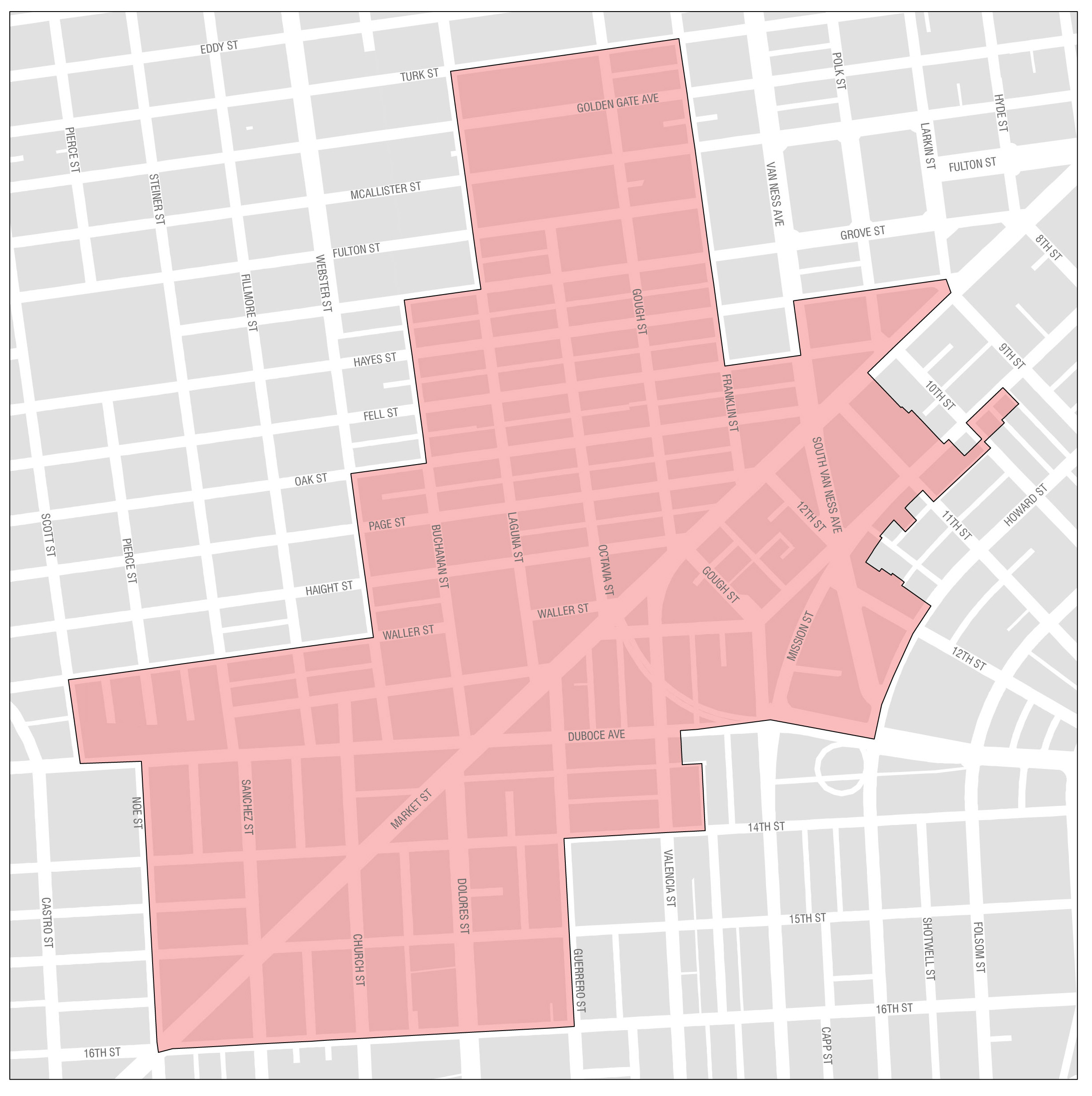
Market Octavia is located just west of the Civic Center, governmental, and cultural institutions there attract a wide range of people both day and night. Its pattern of streets and alleys make it very walkable and bikeable. More than a dozen transit lines cross the neighborhood, including all of the city’s core streetcar lines. It is accessible from the entire Bay Area by BART and the regional freeway system.

Market Octavia’s history as a crossroads also poses enormous challenges. Large redevelopment projects occurred in the 1960s and 1970s, and the Central Freeway bisected the neighborhood before it was demolished in 2003. Large flows of automobile traffic are channeled through the area creating hazardous conditions for pedestrians. However, its centralized location and transit accessibility make Market Octavia a key area to add new housing to the City.

The Market Octavia Area Plan identified many needs related to complete streets, transit, open space, and childcare that will provide the necessary services for new people living and working in the area. The total estimated revenues for proposed projects in Market Octavia is currently estimated at $173 million, including prior years. The following tables show the Market Octavia spending plan, sources of funds, and funding gap.

The Hub: The Planning Department is studying zoning and height limit changes in the Hub, a subset of Market Octavia, to increase housing capacity in the area by several thousand new units. An updated public realm plan was created by a multi-agency team to understand the needs of the people that live, work, and visit the area. Projects in the plan include transportation enhancements, open space improvements, and upgrades to streetscapes throughout the Hub. The Hub rezoning is expected to be approved in early 2020.

Return to Impact Fee Areas 

Key Proposed Eastern Neighborhoods Projects through 2029
COMPLETE STREETS

Better Market Street

13th St. Protected Bike Lanes
Upper Market Pedestrian Improvements
Octavia Blvd. Enhancement
Page St. Neighborway
TRANSIT

Van Ness Bus Rapid Transit

Valencia Bikeway
22-Fillmore: Duboce & Church
Muni Light Rail Expansion
Western Addition CBTP Improvements
RECREATION AND OPEN SPACE

Margaret Hayward Park Renovation

Buchanan Street Mall
Hub Open Space Improvements


SPENDING PLAN
(Dollars in Thousands)
Prior Years FY
2020
FY
2021
FY
2022
FY
2023
FY
2024
FY 2025 - 2029 Plan Total

Complete Streets

13,478

1,101

3,085
 

1,335

3,267
 

-

-

8,788

Transit 11,540 2,976 8,976 5,630 - - - 17,582
Open Space 30,573 - - - - - - -
Childcare 3,523 - - - - - - -
Program Administration 2,674 369 895 1,803 151 151 453 3,823
TOTAL 61,788 4,447 12,956 8,768 3,418 151 453 30,193
                 
REVENUES                

Impact Fees

47,286

6,238

13,282

43,904

3,155

3,155

15,472

85,205

General Fund - Other 970 1,776 - 1,910 - - - 3,686
Bonds 17,390 - - - - - -  
Other Local 2,772 1,015 4,236 4,905 3,267 - - 13,423
External Grants 2,112 - - - - - - -
TOTAL 70,530 9,029 17,518 50,719 6,422 3,155 15,472 102,314
                Cumulative
Annual Surplus (Deficit)

8,742

4,583 4,562  41,950 3,004 3,004 15,019 80,863

Eastern Neighborhoods

Eastern Neighborhoods

Eastern Neighborhood

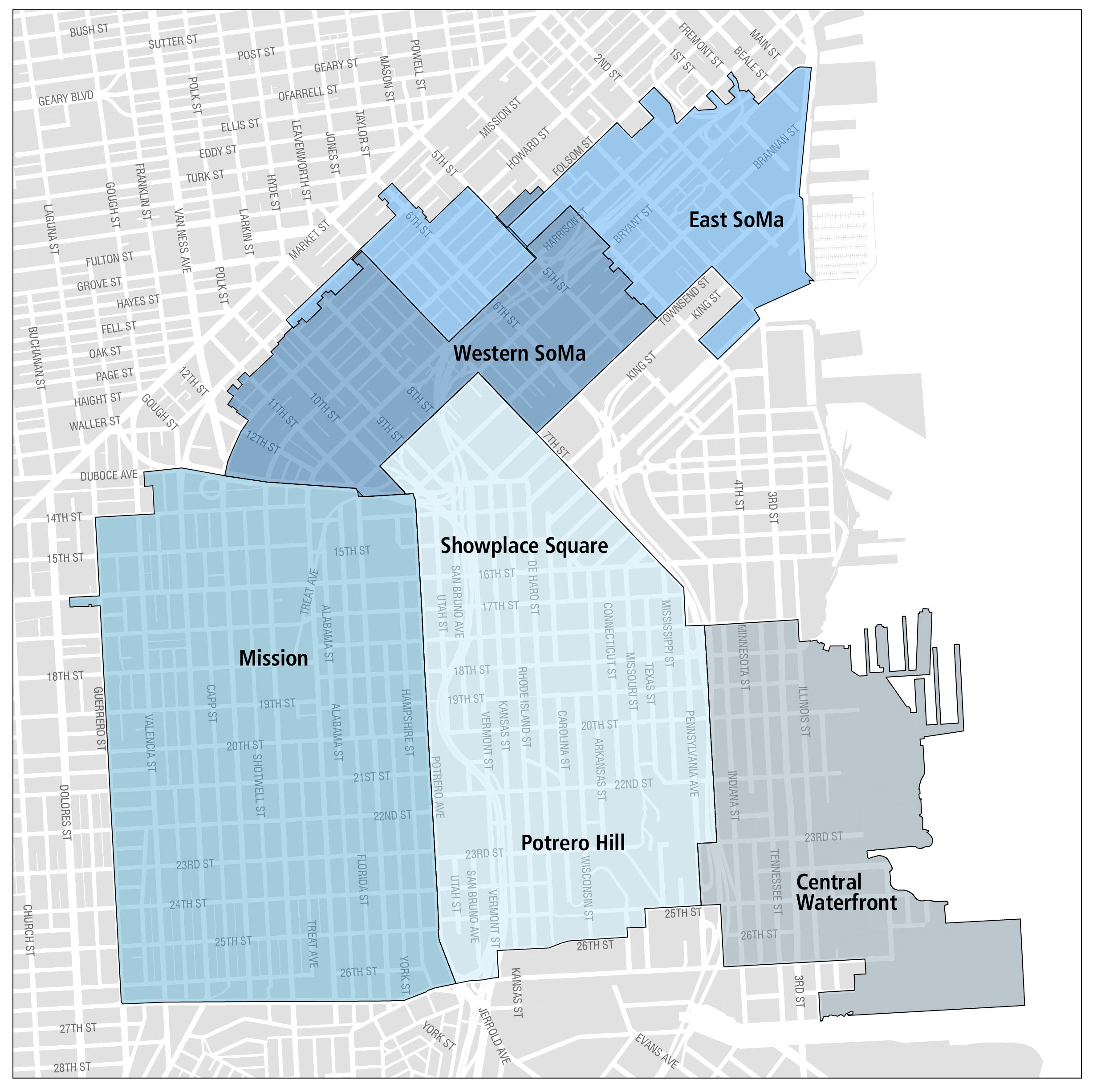
The Eastern Neighborhoods Area Plan consists of several smaller neighborhoods, including South of Market, the Mission, Showplace Square, Central Waterfront, and Potrero Hill. Much of the land use in the Eastern Neighborhoods was historically dedicated to industrial uses, and production, distribution, and repair. Over time, residential and commercial uses began to compete for space with the previous industrial uses.

In 2010, population in the Eastern Neighborhoods Plan Area was 83,930. The Planning Department projects the population to reach 149,570 by 2040, an increase of 78%. The demand for infrastructure related to complete streets, transportation, and open space increased as the population in the neighborhood began to grow. Since the Eastern Neighborhoods Area Plan was initiated in 2008, the City has worked with the community to identify priority projects for implementation. These priorities include a number of projects from the 2008 Area Plan as well as new projects identified through planning efforts that occurred since the Plan was adopted.

The revenues estimated for projects in Eastern Neighborhoods is approximately $431 million, including prior years. The tables on the following page show the Eastern Neighborhoods spending plan, sources of funds, and funding gap.

Central SOMA: The vision of the Central SoMa Plan is to create a social, economic, and environmentally sustainable neighborhood by 2040, with space for approximately 32,000 new jobs and 8,600 new housing units. The Plan will provide public benefits to serve the neighborhood, including affordable housing, transportation, streets improvements, parks and recreation, schools, environmental sustainability, and community services. Funding for these projects will come from new and existing impact fees, Community Facilities District special tax revenues, direct provision by developers, and various other sources.
Return to Impact Fee Areas
Key Proposed Eastern Neighborhoods Projects through 2029
COMPLETE STREETS

2nd Street Streetscape

Folsom/Howard Streetscape
Mariposa Bike Connection
5th Street Bike Strategy
6th Street Improvements
TRANSIT

16th Street Improvement Project

27-Bryant Tenderloin Project
14-Mission: Spear to 11th
14-Mission: Outer Mission Mission Bay Loop
RECREATION AND OPEN SPACE

Gene Friend Recreation Center

Crane Cove Park
Potrero Hill Recreation Center
New 11th & Natoma Park
Garfield Aquatic Center

Warm Water Cove


SPENDING PLAN
(Dollars in Thousands)
Prior Years FY
2020
FY
2021
FY
2022
FY
2023
FY
2024
FY 2025 - 2029 Plan Total

Complete Streets

61,572

9,095

48,604

5,520

-

-

-

63,219

Transit 56,357 38,624 18,377 6,895 2,360 3,040 - 69,296
Open Space 74,327 3,000 4,100 - - 500 - 7,600
Childcare 5,534 510 371 685 526 444 2,200 4,736
Program Administration 5,152 856 555 528 405 996 2,025 5,365
TOTAL 202,941 52,085 72,007 13,628 3,291 4,980 4,225 150,216
                 
REVENUES                

Impact Fees

97,879

9,828

15,083

9,138

5,618

4,386

40,670

84,723

General Fund - Other 13,815 13,316 6,604 - - - - 19,920
Bonds 75,410 19,247 18,929 - - - - 38,176
Other Local 7,440 8,005 32,640 3,130 - - - 43,775
External Grants 25,944 6,000 5,093 6,895 2,360 3,540 - 23,888
TOTAL 220,488 56,397 78,349 19,163 7,978 7,926 40,670 210,483
                Cumulative
Annual Surplus (Deficit) 17,547 4,312 6,342 5,535 4,687 2,946 36,445 77,814

Balboa Park

Balboa Park

http://onesanfrancisco.org/the-plan-2020/impact-fee-plan-areasBalboa Park

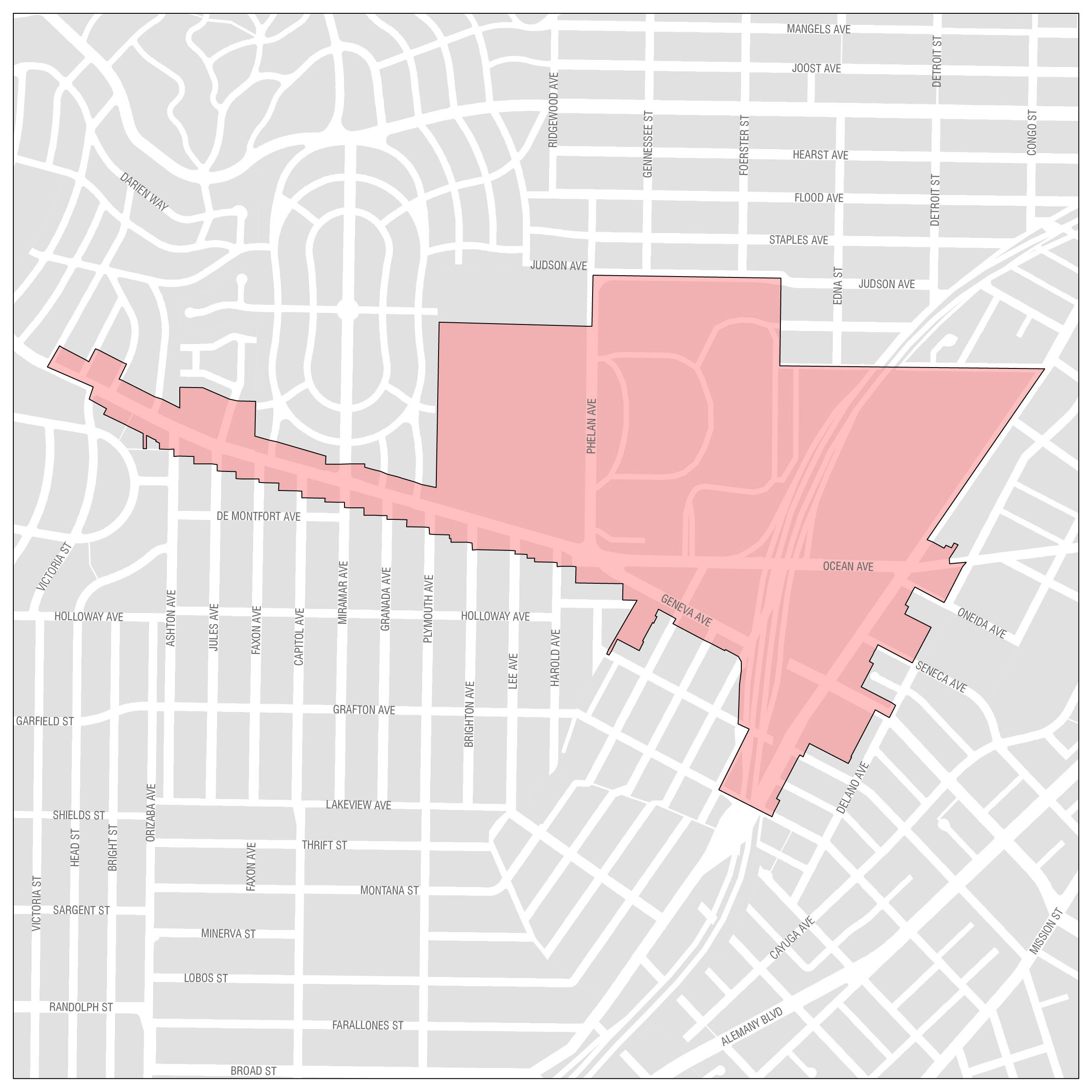
Balboa Park is located in southern San Francisco and provides several amenities that can be leveraged to promote a more livable neighborhood. The area includes the Ocean Avenue campus of the City College of San Francisco, the Ocean Avenue Neighborhood Commercial District, Balboa Park, and the Balboa Park BART station. The area is home to the Balboa Park Reservoir, which is currently slated to have 1,100 units of housing built there.

Key projects to be implemented in Balboa Park during the period of this Plan include streetscape projects along Geneva and Ocean Avenues, renovating Balboa Park Pool, and redeveloping the Geneva Car Barn into a cultural hub and neighborhood center. The Balboa Park spending plan is shown in the tables below.

Return to Impact Fee Areas

SPENDING PLAN
(Dollars in Thousands)
Prior Years FY
2020
FY
2021
FY
2022
FY
2023
FY
2024
FY 2025 - 2029 Plan Total

Complete Streets

300

400

1,800

9,400

-

-


11,600

Transit 1,579 - - - - - - -
Open Space 24,898 466 - - - - - 466
Childcare 116 - 16 16 16 - 48 96
Program Administration 21 5 5 5 5 - 17 37
TOTAL 26,914 871 1,821 9,421 21 - 65 12,199
                 
REVENUES                

Impact Fees

2,197

155

-

104

104

104

417

884

General Fund - Other 3,217 - - - - - - -
Bonds 12,062 - - - - - - -
Other Local 300 866 1,800 9,400 - - - 12,066
External Grants 9,619 - - - - - - -
TOTAL 27,396 1,021 1,800 9,504 104 104 417 12,950
                Cumulative
Annual Surplus (Deficit) 481 150 (21) 83 83 104 352 1,232


New 02. Introduction

02. Introduction

Capital Planning in San Francisco

The Fiscal Year FY2020-29 City and County of San Francisco Capital Plan (the Plan) is the City’s commitment to building a more resilient and vibrant future for the residents, workers, and visitors of San Francisco. Updated every odd-numbered year, the Plan is a fiscally constrained expenditure plan that lays out anticipated infrastructure investments over the next decade. This document is the product of input from Citywide stakeholders, who have put forth their best ideas and most realistic estimates of San Francisco’s future capital needs.

Through the application of consistent funding principles and fiscal policies, the Plan prioritizes departmental capital needs within defined fiscal constraints. The result is a road map for investments in San Francisco’s streets, facilities, utilities, parks, waterfront, and transportation systems.

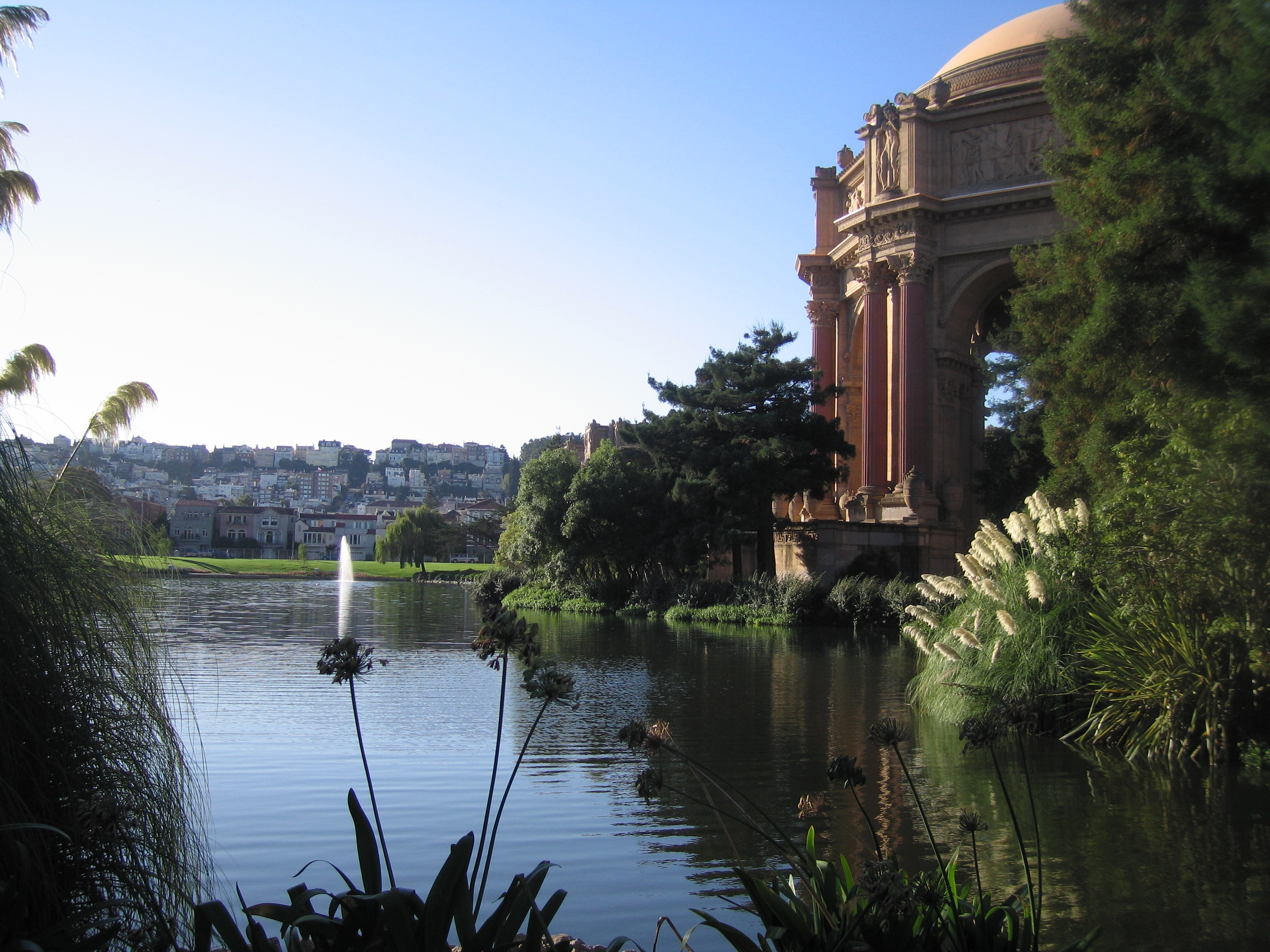
Palace of Fine Arts

Developed on the centennial of the 1906 earthquake, San Francisco’s first Capital Plan described the City’s renewed dedication to investing in public facilities and infrastructure for FY2007- 2016. Since that first Plan, the City’s commitment to our capital portfolio has grown substantially. The first Plan called for $15.7 billion to address earthquake safety, modernization, and maintenance needs for City buildings and infrastructure. The level of recommended funding steadily grew as better capital planning practices were employed, infrastructure systems and facilities reached the end of their useful life, and the City dug out of extremely low levels of investment from the mid-1970s to 2008.

The current Plan recommends a record $39 billion in critical infrastructure improvements over the next 10 years. This is $4 billion more than the previous Plan.

Drivers of this increase include (1) large investments in and fees from developing areas in the southeastern part of the city and at Treasure Island; (2) continued use of G.O. Bonds against growing assessed value to address the transportation network, parks and open space, sewers, and critical facilities; (3) strong capital programs from San Francisco’s enterprise departments; and (4) year-over-year growth to keep existing City assets in a state of good repair.

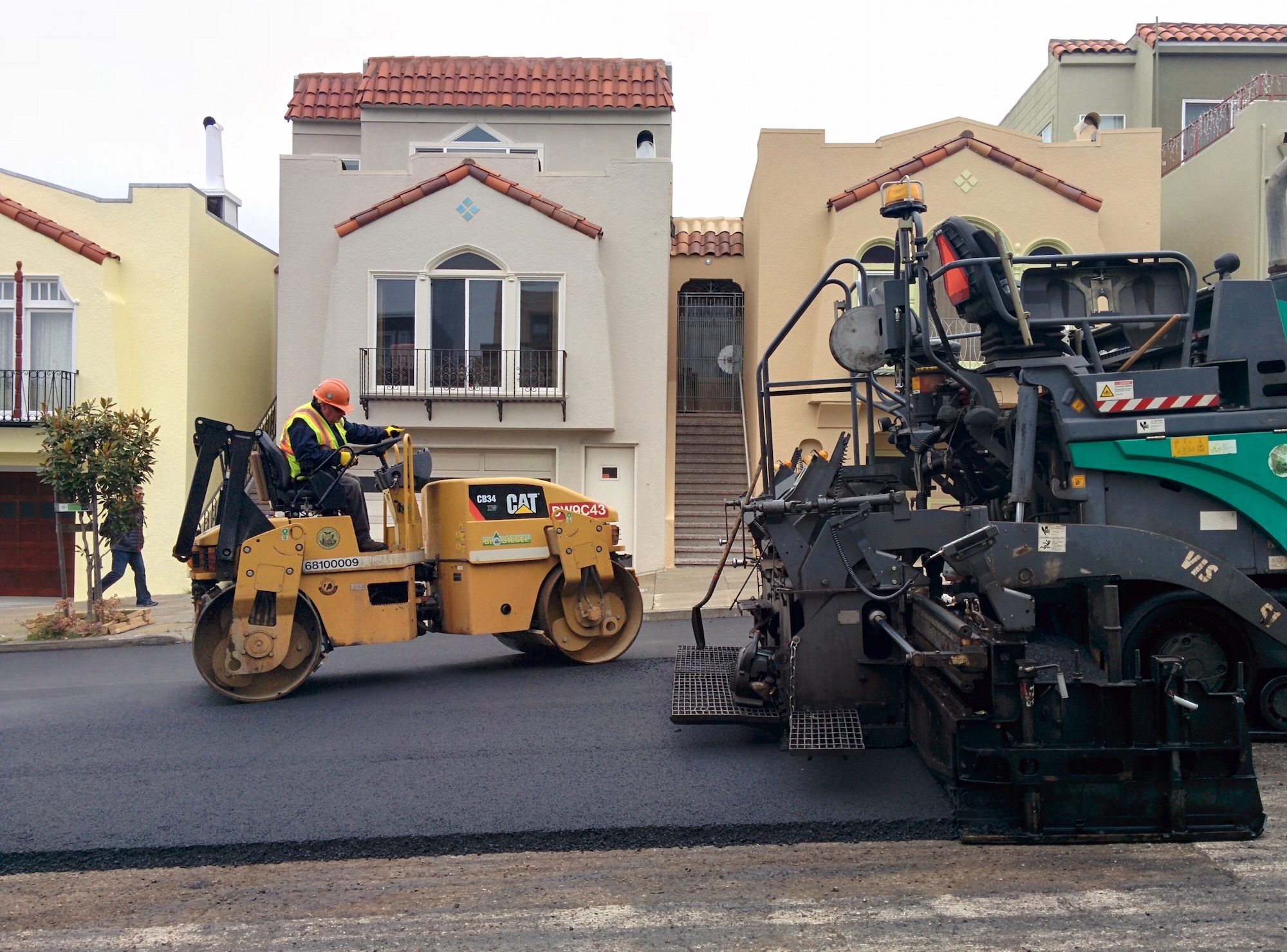
Street Paving

This growth reflects increased confidence in the City’s capacity to administer our capital program in a responsible and transparent manner that employs best practices in financial management. This includes establishing constraints around each funding program to promote long-term viability, listing what is unfunded or deferred, and establishing funding principles, among others. It also recognizes an appreciation for the long-term benefits of investing in public infrastructure. 

The planned growth reflects confidence in the City’s capacity to administer capital projects and programs in a responsible, transparent manner using best practices in financial management. Such practices include establishing constraints around each funding program to promote long-term viability, listing what is unfunded or deferred, and establishing funding principles, among others. It also recognizes San Francisco’s appreciation for the long-term benefits of investing in public infrastructure.

San Francisco's voters have approved nearly $4 billion in G.O. Bonds since 2008, more than the previous 50 years of G.O. Bonds combined.
Table 2.1
Year G.O. Bond Program Amount
(Dollars in Millions)
2008 Neighborhood Parks &
Open Space
180
2008 Public Health
Seismic Facilities
887
2010 Earthquake Safety &
Emergency Response
412
2011 Road Resurfacing &
Street Safety
248
2012 Neighborhood Parks & Open Space 195
2014 Earthquake Safety &
Emergency Response
400
2014 Transportation 500
2015 Affordable Housing 310
2016 Public Health & Safety 350
2018 Seawall Program 425
TOTAL   3,907


Introduction

02. Introduction

The Fiscal Year (FY) 2018-2027 City and County of San Francisco Capital Plan (the Plan) is the City’s commitment to building a more resilient and vibrant future for the residents, workers, and visitors of San Francisco. Updated every odd-numbered year, the Plan is a fiscally constrained expenditure plan that lays out infrastructure investments over the next decade. This document is the product of input from Citywide stakeholders, who have put forth their best ideas and most realistic estimates of San Francisco’s future needs. 

Through the application of consistent funding principles and fiscal policies, the Plan prioritizes departmental capital needs against clearly defined fiscal constraints. The result is a road map for investments in San Francisco’s streets facilities, utilities, parks, waterfront, and transportation systems. 

Palace of Fine Arts

Developed on the centennial of the 1906 earthquake, San Francisco’s first Capital Plan described the City’s renewed dedication to investing in public facilities and infrastructure for FY2007- 2016. Since that first Plan, the City’s commitment to our capital portfolio has grown substantially. The first Plan called for $15.7 billion to address earthquake safety, modernization, and maintenance needs for City buildings and infrastructure. The level of recommended funding steadily grew as better capital planning practices were employed, infrastructure systems and facilities reached the end of their useful life, and the City dug out of extremely low levels of investment from the mid-1970s to 2008. 

The current Plan recommends a record $35 billion in critical infrastructure improvements over the next 10 years. This is $3 billion more than the previous Plan. 

The primary drivers of this increase are (1) large investments in newly developing areas along the waterfront and at Treasure Island; (2) continued use of G.O. Bonds and other forms of debt to address the transportation network, parks and open space, sewers, and key facilities that improve services and resilience for current and future generations; and (3) year-over-year growth to keep existing City assets in a state of good repair. 

Street Paving

This growth reflects increased confidence in the City’s capacity to administer our capital program in a responsible and transparent manner that employs best practices in financial management. This includes establishing constraints around each funding program to promote long-term viability, listing what is unfunded or deferred, and establishing funding principles, among others. It also recognizes an appreciation for the long-term benefits of investing in public infrastructure. 

Ignoring the needs of our existing assets results in greater costs down the road as they become less efficient and more costly to repair or replace.

San Francisco has received voter approval for nearly $3.5 billion in G.O. Bonds since 2008, more than the previous 50 years of G.O. Bonds combined.
Table 2.1
  G.O. Bond Program Amount
(Dollars in Millions)
2008 Neighborhood Parks and Open Space 180
2008 Public Health Seismic
Facilities (SFGH rebuild)
887
2010 Earthquake Safety and
Emergency Response
412
2011 Road Resurfacing and Street Safety 248
2012 Neighborhood Parks and Open Space 195
2014 Earthquake Safety and Emergency Response 400
2014 Transportation 500
2015 Affordable Housing 310
2016 Public Health and Safety 350
Total   3,482

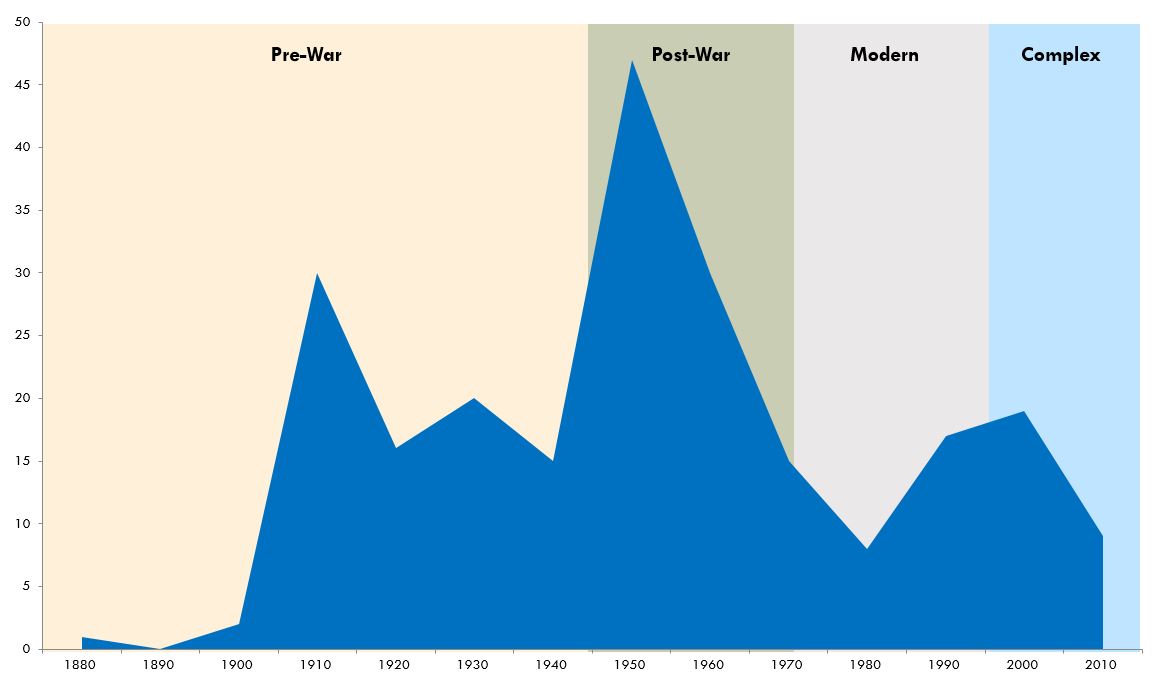
Number of General Plan Facilities Constructed by Decade

Number of General Fund Facilities Constructed by Decade

2021 Executive Summary

01. Executive Summary

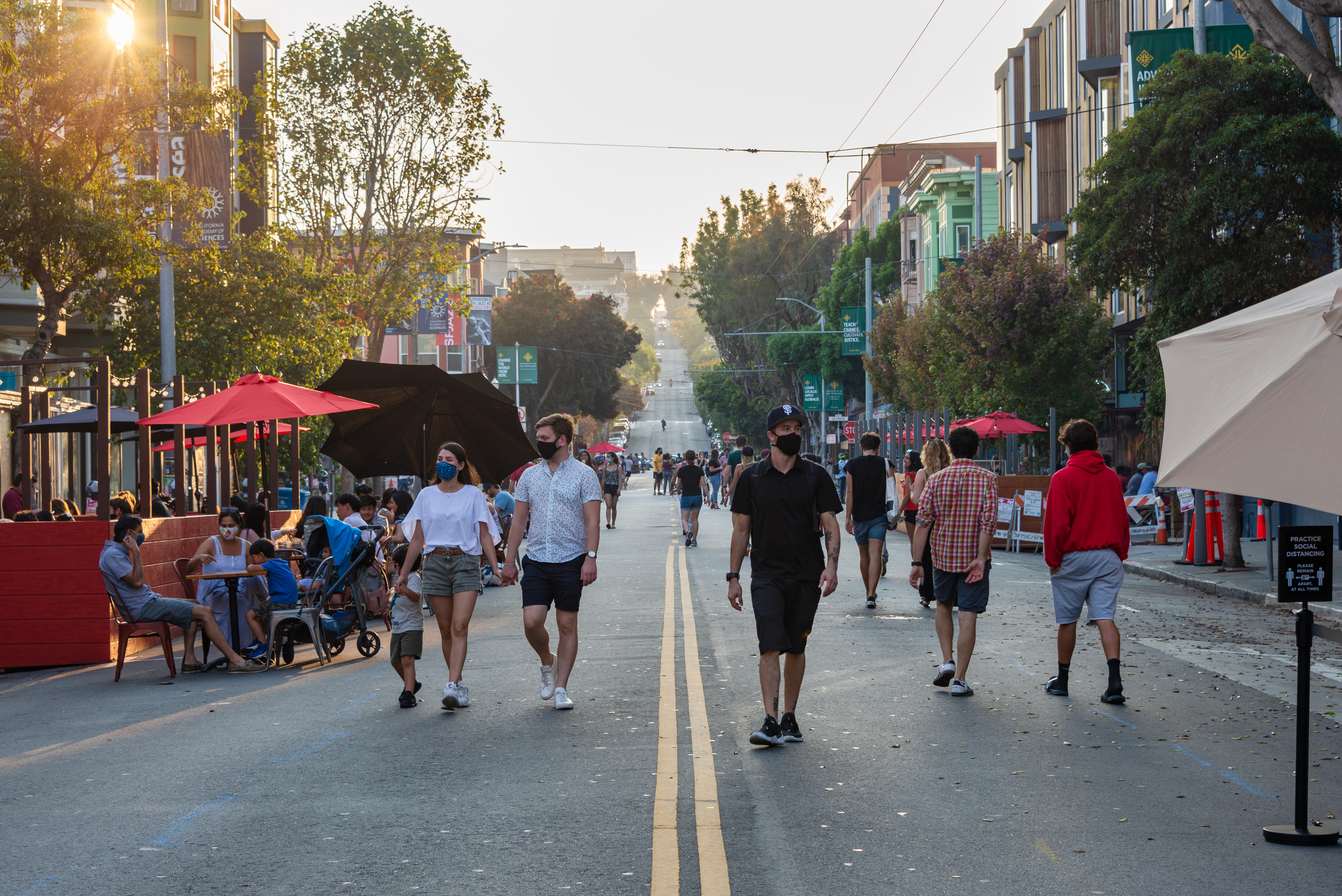
Castro Street

The Fiscal Year 2022-31 City and County of San Francisco Capital Plan (the Plan) is the City’s commitment to building a more resilient, equitable, and vibrant future for the residents, workers, and visitors of San Francisco. Updated every odd-numbered year, the Plan is a fiscally constrained expenditure road map that lays out anticipated infrastructure investments over the next decade. This document is the product of input from Citywide stakeholders, who have put forth their best ideas and most realistic estimates of San Francisco’s future needs.

Projects in the Plan are divided into eight Service Areas: Affordable Housing; Economic and Neighborhood Development; General Government; Health and Human Services; Infrastructure and Streets; Public Safety; Recreation, Culture, and Education; and Transportation. Each Service Area chapter describes the associated Renewal Program, Enhancement Projects, Deferred Projects, and Emerging Needs. General Fund, Enterprise, and external agencies are all represented to give as full a picture of San Francisco’s capital needs as possible. This Plan is the first to include a dedicated Affordable Housing service area, recognizing affordability as a critical public need that can be supported by the City’s capital sources.

Before the COVID-19 pandemic, San Francisco reached historic levels of capital investment. Spurred by a growing tax base, increases in General Fund revenues and debt issuance capacity allowed San Francisco to advance important investments to address our major resilience challenges, including racial and social inequity, earthquakes, sea level rise, and aging infrastructure. Now in the midst of the public health and economic crisis wrought by the COVID-19 pandemic, the future looks very different, but San Francisco is well positioned to deliver critical capital improvements. In the two years since the last Capital Plan, San Francisco voters have approved $1.7 billion in General Obligation (G.O.) Bonds that will continue to support construction, public infrastructure, and the local economy. This Plan puts forward a slate of investments that create jobs and serve as economic stimulus in the years ahead. Above all, San Francisco remains committed to good stewardship of public assets and investing in the infrastructure that residents, workers, and visitors will rely upon for generations to come.

Planned Project Highlights 

San Francisco has many competing needs, and the capital program is no exception. Major projects with funding identified in this Plan include: 

General Fund Departments

  • Permanent supportive housing and facilities for mental health needs
  • Replacement of the seismically unsafe Hall of Justice
  • Park system renovations, including Portsmouth Square and India Basin
  • Fiber to affordable housing
  • Neighborhood Fire Stations program
  • District Police Stations program
  • Replacement fire training facility
  • ADA facilities and right-of-way barrier removal
  • Zuckerberg San Francisco General and Laguna Honda Hospital campus improvements

Enterprise Departments

  • Seawall strengthening
  • Pier 70 Waterfront Site
  • Mission Bay Ferry Landing
  • Better Market Street
  • Van Ness and Geary Bus
  • Rapid Transit
  • SFO Harvey Milk Terminal 1, and Terminal 3 Redevelopment
  • Hetch Hetchy Water and
  • Power Improvement
  • Emergency Firefighting
  • Water System

External Agencies

  • Affordable housing developments
  • Treasure Island redevelopment
  • City College seismic and code upgrades
  • Modernization of SFUSD sites

New Executive Summary

01. Executive Summary

The Fiscal Year FY2020-29 City and County of San Francisco Capital Plan (the Plan) is the City’s commitment to building a more resilient and vibrant future for the residents, workers, and visitors of San Francisco. Updated every odd-numbered year, the Plan is a fiscally constrained expenditure plan that lays out anticipated infrastructure investments over the next decade. This document is the product of input from Citywide stakeholders, who have put forth their best ideas and most realistic estimates of San Francisco’s future needs.

Projects in the Plan are divided into seven Service Areas: Economic and Neighborhood Development; General Government; Health and Human Services; Infrastructure and Streets; Public Safety; Recreation, Culture, and Education; and Transportation. Each Service Area chapter describes the associated Renewal Program, Enhancement Projects, Deferred Projects, and Emerging Needs. General Fund, Enterprise, and external agencies are all represented to give as full a picture of San Francisco’s capital needs as possible.

A growing Bay Area economy has given rise to historic levels of capital investment in recent years. Spurred by a growing tax base, increases in General Fund revenues and debt issuance capacity have allowed San Francisco to fund a record level of capital projects over the last 10 years. As a result, San Francisco is now better positioned to build a healthy infrastructure program and meet the challenges ahead.

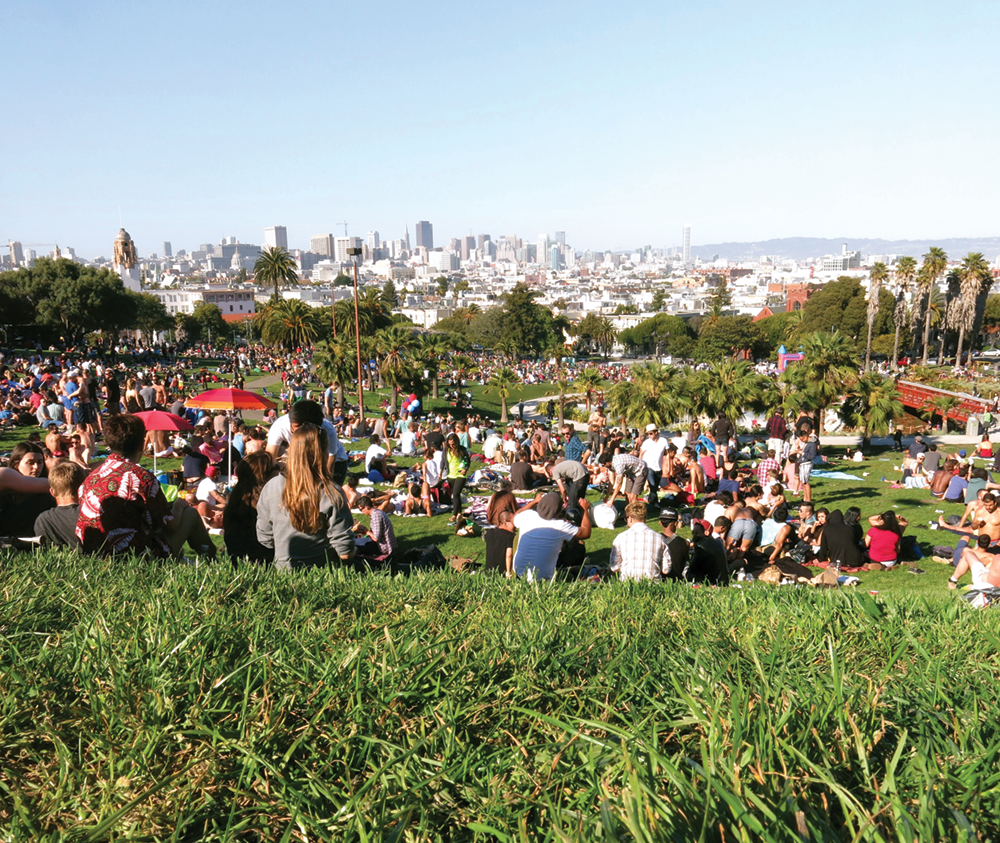
Delores Park

Planned Project Highlights 

San Francisco has many competing needs, and the capital program is no exception. Major projects with funding identified in this Plan include: 

General Fund Departments

  • New homelessness services and health center
  • Closure and demolition of the unsafe Hall of Justice
  • Park system renovations, including Portsmouth Square
  • Neighborhood Fire Stations program
  • District Police Stations program
  • Replacement fire training facility
  • Department of Emergency Management 911 floor expansion
  • ADA facilities and right-of-way barrier removal
  • Zuckerberg San Francisco General and Laguna Honda Hospital campus improvements

Enterprise Departments

  • Fortification of the Seawall
  • Pier 70 and Seawall Lot 337
  • SFMTA facilities
  • Muni Forward
  • Vision Zero Pedestrian Safety Program
  • Van Ness and Geary Bus Rapid Transit
  • Water, Sewer, and Power Enterprise improvements
  • SFO Terminal 1 and 3 improvements

External Agencies

  • Affordable housing developments 
  • Treasure Island redevelopment 
  • City College seismic and code upgrades 
  • Modernization of SFUSD sites

Executive Summary

01. Executive Summary

The Fiscal Year (FY) 2018-2027 City and County of San Francisco Capital Plan (the Plan) is the City’s commitment to building a more resilient and vibrant future for the residents, workers, and visitors of San Francisco. Updated every odd-numbered year, the Plan is a fiscally constrained expenditure plan that lays out infrastructure investments over the next decade. This document is the product of input from Citywide stakeholders, who have put forth their best ideas and most realistic estimates of San Francisco’s future needs. 

Projects in the Plan are divided into seven Service Areas: Economic and Neighborhood Development; General Government; Health and Human Services; Infrastructure and Streets; Public Safety; Recreation, Culture, and Education; and Transportation. Each Service Area chapter describes the associated Renewal Program, Enhancement Projects, Deferred Projects, and Emerging Needs. General Fund, Enterprise, and external agencies are all represented to give as full a picture of San Francisco’s capital needs as possible. 

A growing Bay Area economy has given rise to historic levels of capital investment in recent years. Spurred by a growing tax base, increases in General Fund revenues and debt issuance capacity have allowed San Francisco to fund a record level of capital projects over the last eight years. As a result, San Francisco is now better positioned to build a healthy infrastructure program and meet the challenges ahead.

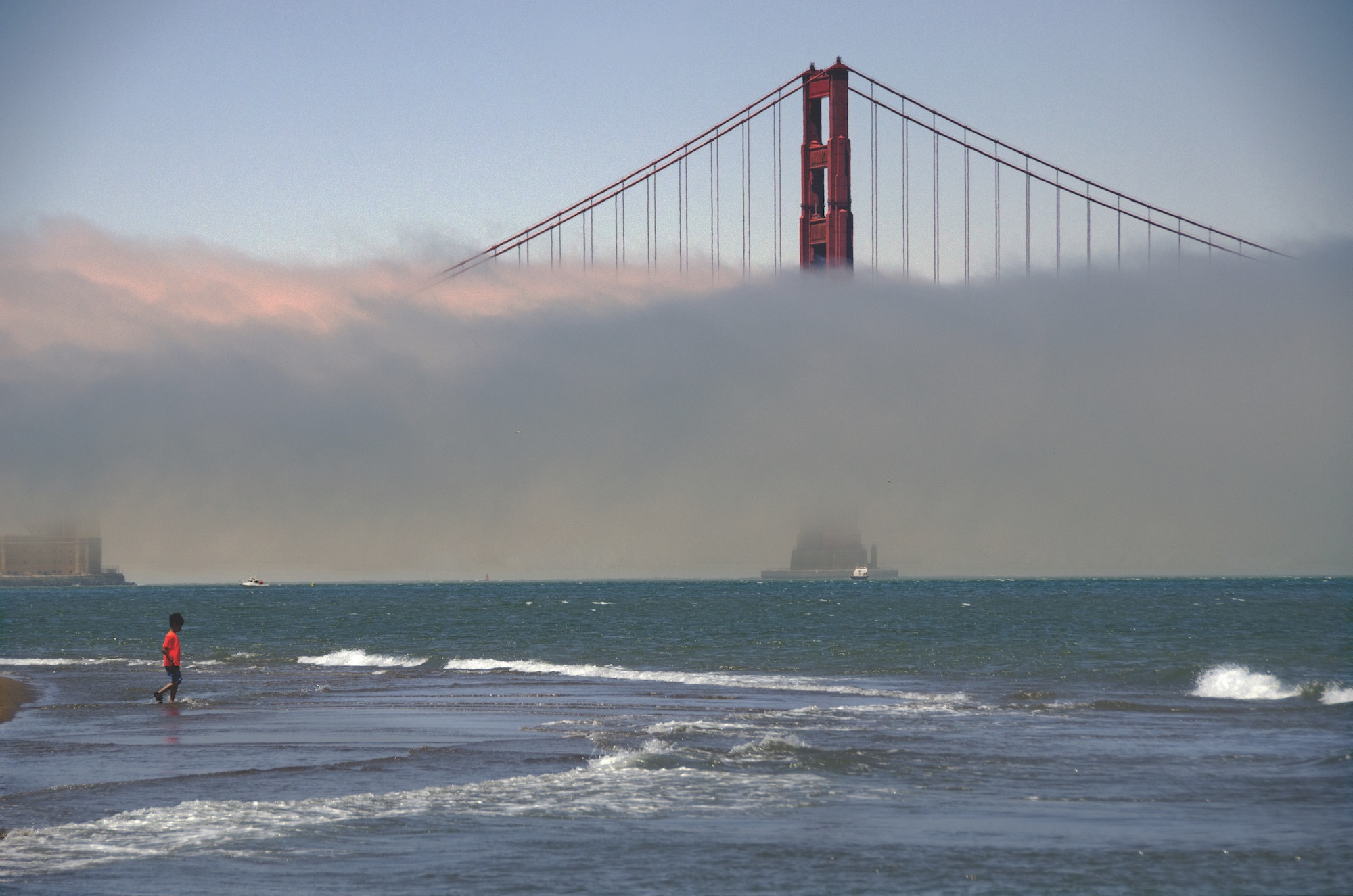
Boy walking in ocean

Planned Project Highlights 

San Francisco has many competing needs, and the capital program is no exception. Major projects with funding identified in this Plan include: 

General Fund Departments

  • Zuckerberg San Francisco General Hospital campus improvements 
  • Southeast Health Center expansion 
  • Closure and demolition of the unsafe Hall of Justice 
  • Neighborhood Fire Stations program 
  • District Police Stations program 
  • Department of Emergency Management expansion 
  • Animal Care & Control Shelter replacement 
  • SFFD Ambulance Deployment Center modernization 
  • Park system renovations, including Margaret S. Hayward Playground 
  • ADA facilities and right-of-way barrier removal

Enterprise Departments

  • Fortification of the Seawall 
  • Pier 70 and Seawall Lot 337 
  • Central Subway 
  • Transbay Transit Center 
  • Muni Forward 
  • Vision Zero Pedestrian Safety Program 
  • Van Ness and Geary Bus Rapid Transit (BRT) 
  • Water and Sewer System Improvement Programs 
  • SFO Terminal 1 and 3 improvements 
  • Airport hotel construction

External Agencies

  • HOPE SF affordable housing developments 
  • Treasure Island redevelopment 
  • City College seismic and code upgrades 
  • Modernization of SFUSD sites

2022 - Economic + Neighborhood Development

07. Economic + Neighborhood Development
MOHCD: Mayor’s Office of Housing and Community Development
OCII: Office of Community Investment and Infrastructure
PLANNING: Impact Development Plan Areas
PORT: Port of San Francisco
TIDA: Treasure Island Development Authority
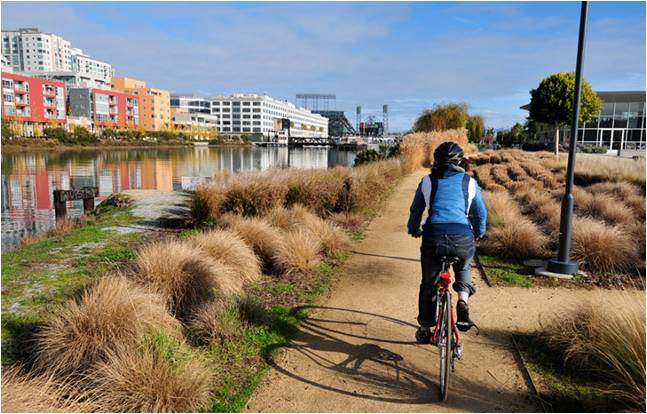
Mission Bay

While the COVID-19 pandemic has created short-term uncertainty, the expectation is that San Francisco will continue growing as our neighborhoods, values, and economy draw new residents. As of December 2020, the population was 890,772, up 14.6% from 2000. Plan Bay Area, developed by the Association of Bay Area Governments, projects San Francisco will grow by over 300,000 people, nearly 190,000 housing units, and 300,000 jobs by 2040. As the city’s density increases, having sufficient infrastructure to support all residents in all neighborhoods becomes more challenging but also more important.

The majority of the new developments are in the more industrial eastern areas of the city that are not only vulnerable to sea level rise, flooding, and liquefaction, but have historically been home to San Francisco’s Black and Latinx communities and offer fewer services and amenities as a result of systemic racism. Major planned developments in these areas must not only support future increases in population without displacing current residents, but also address historic disinvestment and environmental injustices. Central SoMa, the Hub, Mission Bay, Candlestick Point, and Hunters Point Shipyards are just a few of the high-growth areas tackling these challenges and growing the tax base that supports City services. Many of these developments and projects have distinctive funding mechanisms, including dedicated development fees and developer agreements that target improvements in areas of especially high growth. These projects seek to create well-planned, equitable, and safe places to live, travel, work, and play.

Overview

This chapter includes capital projects from departments, agencies, and programs whose primary objectives are to improve San Francisco’s wide-ranging economic base and plan for its future growth. The projects for this service area are estimated to create over 24,000 jobs over the next 10 years.

Port of San Francisco

The Port of San Francisco is responsible for the 7.5 miles of San Francisco waterfront adjacent to San Francisco Bay. The Port manages, maintains, develops, markets, and leases all of the property in this area. The Port’s operating portfolio is composed of approximately 580 ground, commercial, retail, office, industrial, and maritime leases, including leases of many internationally recognized landmarks such as Fisherman’s Wharf, Pier 39, the Ferry Building, and Oracle Park, home of the San Francisco Giants baseball team.

Port lands must be used consistently with public trust principles for the benefit of all California citizens, to further navigation and maritime commerce, fisheries, public access and recreation, environmental restoration, and commercial activities that attract the public to the waterfront. Urban waterfront developments, including the new Southern Bayfront neighborhood developments proposed in the Mission Rock, Orton, and Brookfield Properties (formerly Forest City Realty Trust) projects, require detailed coordination, review, and approval of many government agencies. The Port has also secured State legislation to allow non-trust uses of specified Port lands and created special financing districts to support waterfront improvements. Such advances were made possible by developing a common understanding with partner agencies of project objectives and requirements to restore historic structures and improve the waterfront for maritime and public use and enjoyment.

Caring for the Port’s many aging, historic structures while staying true to its public trust mission is a challenge. The Port’s need for capital investments has historically outpaced available funding, leaving a substantial backlog and requiring strategic decisions about how to best manage the Port’s aging assets. The Port has confronted this challenge with dedicated funds, pursuit of new external sources, and strategic prioritization.

Office of Community Investment and Infrastructure

The Office of Community Investment and Infrastructure is the successor agency to the San Francisco Redevelopment Agency, which was dissolved in 2012 by order of the California Supreme Court. OCII is authorized to continue to implement the Major Approved Development Projects, which include the Mission Bay North and South Redevelopment Project Areas (Mission Bay), the Hunters Point Shipyard Redevelopment Project Area and Zone 1 of the Bayview Redevelopment Project Area (Shipyard/Candlestick Point), and the Transbay Redevelopment Project Area (Transbay).

The Mission Bay development covers 303 acres of land between the San Francisco Bay and Interstate-280. The development program for Mission Bay includes market-rate and affordable housing; new commercial space; a new UCSF research campus and medical center; neighborhood-serving retail space; a 250-room hotel; new public open space; and myriad community facilities.

The Shipyard/Candlestick Point is comprised of nearly 780 acres of abandoned and underutilized land along San Francisco’s southeastern Bayfront. These long-abandoned waterfront lands will be transformed into areas for jobs, parks, and housing. The development will feature up to 12,100 homes, of which nearly one-third will be affordable; nearly 900,000 square feet of neighborhood retail; and three million square feet of commercial space; and 26 acres of parks and open space.

The Transbay development includes the new Salesforce Transit Center and 10 acres of former freeway parcels, which OCII and the Transbay Joint Powers Authority (TJPA) are developing into a new, mixed-use neighborhood surrounding a state-of-the-art, multi-modal transit station. The TJPA is responsible for constructing, owning and operating the new Transit Center, and OCII is responsible for the development of the surrounding neighborhood. At full build-out, these publicly-owned parcels will be transformed into approximately 3,300 new housing units, including nearly 1,400 affordable units, three million square feet of new commercial development, and 3.6 acres of parks and open space.

Treasure Island Development Authority

Treasure Island and Yerba Buena Island are in San Francisco Bay, about halfway between the San Francisco mainland and Oakland. Treasure Island contains approximately 404 acres of land, and Yerba Buena Island, approximately 150 acres. In early 2003, the Treasure Island Development Authority and the Treasure Island Community Development, LLC (TICD) entered into an Exclusive Negotiating Agreement and began work on a Development Plan for the Islands.

The Treasure Island/Yerba Buena Island Development Project will create a new San Francisco neighborhood consisting of up to 8,000 new residential housing units, as well as new commercial and retail space. The Project will also feature new hotel accommodations and 300 acres of parks and public open space, including shoreline access and cultural uses. Transportation amenities being built for the project will enhance mobility on the Islands as well as link the Islands to San Francisco. These amenities will include new and upgraded streets and public byways; bicycle, transit, and pedestrian facilities; landside and waterside facilities for the existing Treasure Island Sailing Center; an expanded marina; and a new Ferry Terminal.

HOPE SF

HOPE SF is an anti-poverty initiative that works to revitalize San Francisco’s largest and most distressed public housing sites as mixed-income developments. The HOPE SF public housing sites are Hunters View, Alice Griffith, Potrero Terrace and Annex, and Sunnydale and Velasco. All of these projects are former San Francisco Housing Authority sites, now being converted to private management. The real estate and infrastructure component of HOPE SF requires the complete demolition and rebuilding of the four sites along with the creation of new streets, parks and open spaces, and community space that will physically reconnect these sites to their surrounding neighborhoods. These projects also replace and generate new affordable housing units, which is discussed in further detail in the Affordable Housing chapter.

Planning Department-Neighborhood Development

The San Francisco Planning Department helps to create a built environment that supports growth by providing guidance on land use and zoning policy, urban design, public realm enhancements, and environmental planning. As San Francisco’s economy continues to expand, the City has adopted specific Area Plans to channel new development and to provide a framework for adding housing and jobs that move San Francisco forward. These Plan Areas are Balboa Park, Eastern Neighborhoods, Market Octavia, Rincon Hill, Transit Center, and Visitacion Valley. The City recently adopted a new area plan for Central SoMa and is developing another for the Hub. New infrastructure projects planned in these areas include improvements to transportation networks, streetscape enhancements to create inviting pedestrian corridors, new open spaces, and other quality of life improvements.

Subscribe to

back to top